1. Define Your Core Functional Requirements
a. Light Control and Privacy
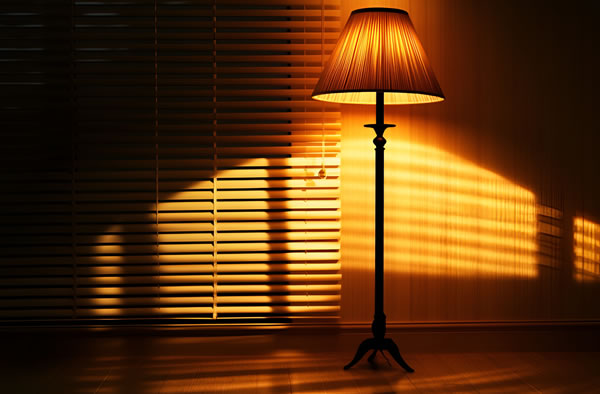
- High Privacy & Blackout: Opt for aluminum Venetian blinds or solid wood blinds with thick slats (1.5-2.5cm). These can block up to 90% of light, ideal for bedrooms or media rooms.
- Adjustable Light Filtering: Choose PVC blinds or fabric roller blinds, which allow rotation (multi-angle rotation) to control sunlight. Perfect for living rooms or studies.
b. Insulation and Noise Reduction
- Thermal Insulation: Aluminum blinds with hollow structures or insulated coatings can reduce indoor temperature by 3-5°C in summer.
- Soundproofing: Solid wood blinds (high density) or thickened PVC materials, combined with tight slat closure, can block 10-15 dB of noise.
c. Waterproofing for Moist Areas
- For bathrooms or kitchens, select PVC or aluminum blinds to resist moisture and corrosion—wooden options may warp over time.
2. Match Materials to Your Space
| Material | Advantages | Limitations | Best for |
| Aluminum | Lightweight, durable, rust-proof, affordable | Cold texture, moderate soundproofing | Balconies, kitchens, offices |
| Solid Wood | Natural aesthetic, excellent insulation | Prone to moisture damage, high maintenance | Living rooms, bedrooms (dry areas) |
| PVC | Waterproof, easy to clean, budget-friendly | May warp in high heat | Bathrooms, laundry rooms, kids’ rooms |
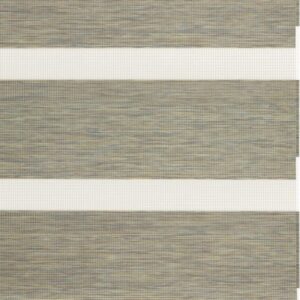
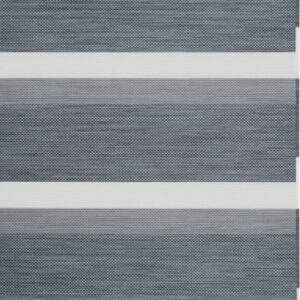
| Fabric | Soft texture, diffuses light gently | Prone to dust, harder to clean | Bedrooms, studies (cozy vibes) |
3. Choose the Right Style and Installation
a. Popular Blind Types
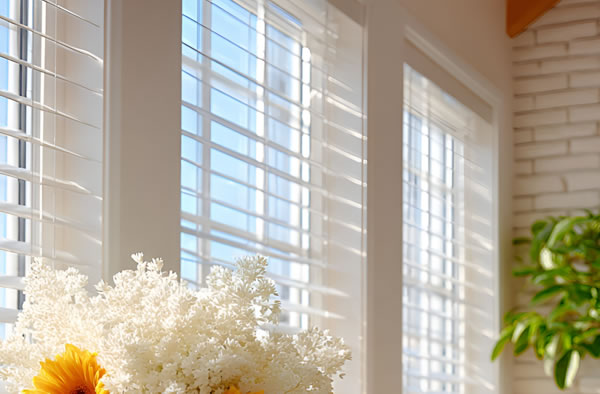
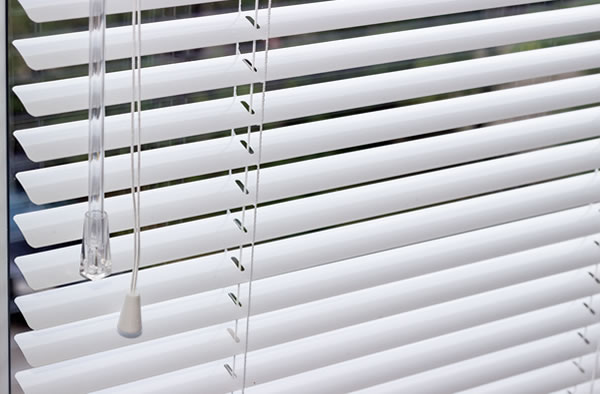
- Venetian Blinds: Classic horizontal slats, manually or motorized adjustable—suitable for standard windows.
- Roller Blinds: Compact roll-up design, space-saving for small rooms or minimalist decor.
- Vertical Blinds: Vertical slats ideal for floor-to-ceiling windows, offering good ventilation.
- Smart Blinds: Integrated with motors and sensors, supporting APP control, voice commands, or timed scheduling for smart homes.
b. Installation & Measurement Tips
- Inside Mount: Install within the window frame. Measure the inner width precisely (error ≤0.5cm) for a sleek look.
- Outside Mount: Cover the frame externally. Add 10-15cm to the width and 5-10cm to the height to hide irregular edges.
4. Coordinate with Decor Style
- Modern Minimalist: Choose aluminum or white PVC blinds with 1.9-2.5cm slats for clean lines.
- Scandinavian/Japanese: Opt for light wood-toned solid wood blinds or fabric shades to enhance warmth.
- Industrial/Urban: Dark aluminum blinds (e.g., matte black, charcoal) with metal hardware add a rugged edge.
Detail Notes:
- Slat Width: Narrow slats (1.2-1.6cm) suit small windows; wide slats (2.5-5cm) look better on large windows.
- Custom Colors: Some brands offer color matching to coordinate with walls or furniture.
5. Budget and Brand Recommendations
- Economy ($50-150/㎡): PVC or basic aluminum blinds—great for rentals or temporary use.
- Mid-Range ($150-300/㎡): Premium aluminum or solid wood blinds (pine/fir) for balance of quality and cost.
- High-End ($300+/㎡): Imported hardwood blinds (oak/walnut) or smart motorized systems for villas or luxury homes.
Brand References:
- International: Hunter Douglas (smart blind technology), Lutron (specialized in electric systems)
- Budget-Friendly: IKEA (FÖREMÅL series), Home Depot’s in-house brands
6. Pitfalls to Avoid
- Measurement Errors: Measure the window frame multiple times to prevent installation issues or light leaks.
- Material Quality: Avoid low-grade PVC with strong odors; check aluminum blinds for uniform coating to prevent oxidation.
- After-Sales Service: Prioritize brands with installation services and warranties (2-5 years). Solid wood blinds require regular waxing.
By balancing these factors, you can select blinds that not only meet functional needs but also complement your interior design. For smart features or custom materials, consult with brands to explore tailored solutions.